
In my zen garden,
the seasons change in a blink
my daughter smiles now
In my zen garden,
the seasons change in a blink
my daughter smiles now

Japanese craftsmanship is one of the most intricate and beautiful design styles in the world for the attention to care and innovation. There’s a long history within the country of distinctive artistic styles, as much as there is a penchant for improving on and perfecting Western techniques.
A particular area of design that is rich in both history and innovation is Japanese lacquerware design. Different regions of Japan may have distinct techniques, with Iwate Prefecture having a unique culture all its own. This uniqueness is something Ryo Minakawa, co-founder of Toramoten is keen to emphasise. He and his co-founder Kohei Chida are focused on bridging the gap between Japanese traditional crafts and the world.
You can learn more about Toramonten’s worthy mission in this exclusive Yamato Magazine interview with Minakawa as the company navigates the early stages of the business.

New York and Tokyo have always recognised something of themselves in each other. Two cities built on movement, contradiction, obsessive attention to detail and thriving creativity. ‘Fashion Remix’, an editorial produced by Fashion Week Brooklyn (FWKB) and House of Annex, moves deliberately between these worlds.
Shot inside Velvet Tokyo, a space located in Shimokitazawa, Tokyo that refuses to separate vintage from new, the story reflects a transpacific design language rooted in substance over spectacle. Velvet’s philosophy is simple and radical: beautiful clothing is just beautiful. That belief anchors the visual narrative, allowing the styling to feel lived-in and unforced. More conversation than performance.
At the heart of the shoot is MOMOYO STOBY FASHION, the Japan-based upcycling label founded by Momoyo Stoby in 2021. Working with Japanese antique and vintage textiles, particularly Showa-era tenugui towels, Stoby elevates cloth shaped by time into contemporary, one-of-one garments. Fading, wear, and imperfection are treated as assets, guided by wabi-sabi sensibilities and the brand’s philosophy, “Once Vintage. Now the Spotlight.” Enhanced through layered construction and traditional persimmon tannin dyeing, the work speaks to a design approach that feels as at home in Brooklyn as it does in Tokyo.
Directed by Rick Davy with fashion direction and styling by Rahel Tadesse, the editorial captures fashion as a cultural bridge rather than a destination. In the interviews that follow, Yamato Magazine speaks with Davy and Tadesse about the ideas behind the shoot, the dialogue between cities, and what it means to build an editorial that honours craft, context, and connection across continents. Plus, you’ll see exclusive photos from the shoot.

Editor’s note:
This article originally appeared on Pop Pacific, a blog sponsored by the International Institute of Asian Studies and shared in full on Yamato Magazine with permission from writer Jayson Makoto Chun. Neon Genesis Evangelion remains an iconic anime series for its expression of mental health, the complexities of parenthood, teenagerhood and the rights of women.
Enjoy this thought-provoking article that Jayson has written and be sure to check out more of Pop Pacific’s content that looks at multiple aspects of anime across cultures.
Continue reading “Neon Genesis Evangelion: The Perfect Anime for Japan’s Economic Crisis”

Yamato Magazine: Let’s start at the beginning. What brought you to Japan in the first place?
Bobby Dixit: I was in my third year at King’s College London and I was struggling to know which direction I wanted to take. An opportunity came up to study in Japan at the Chiba Institute of Technology for a year. Of course I went.
Yamato Magazine: How did that experience take you back to Japan?
Bobby: After that, I came back to the UK to complete my master’s and then I interviewed for a position to do my second master’s thesis at Sony’s Broadcast & Professional Europe research labs in Basingstoke. It was between me and a mature student who I thought would get the job because he was very polished. There I was, a kid with a ponytail in flip flops.
The city of Manchester and Japan have a special connection. This dates back to 1865 at the height of the Industrial Revolution, when a group of students from Satsuma came to Greater Manchester to investigate the booming cotton trade. The students visited manufacturers in the region of Oldham called the Platt Brothers and were so impressed by the machinery that they took it back with them.
This was the start of a strong and fruitful working relationship. Over the next century and a half, Manchester would continue to build strong ties with Japan. A more recent example is Manchester mayor Andy Burnham being part of an initiative and UK delegation to Japan to establish further bonds of urban development and carbon remission. In fact, Manchester has become the sister city to Osaka and the two mirror each other in terms of aspirations, people and world views.
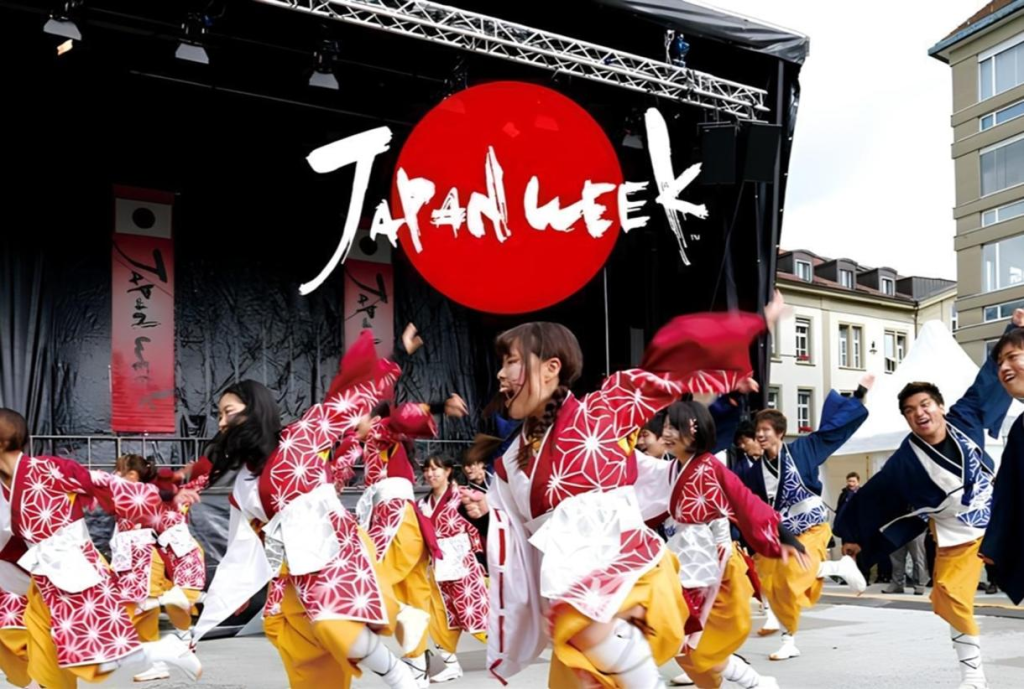
As a proud Manc, I’m excited to see my city’s connection with Japan continue to flourish. And as a celebration of this connection, Japan Week 2025 in Manchester is sure to be amazing. Taking place across the city from September 4th – September 9th, here are the events you’ll want to check out.
Continue reading “Celebrating Japan Week 2025 In Manchester”
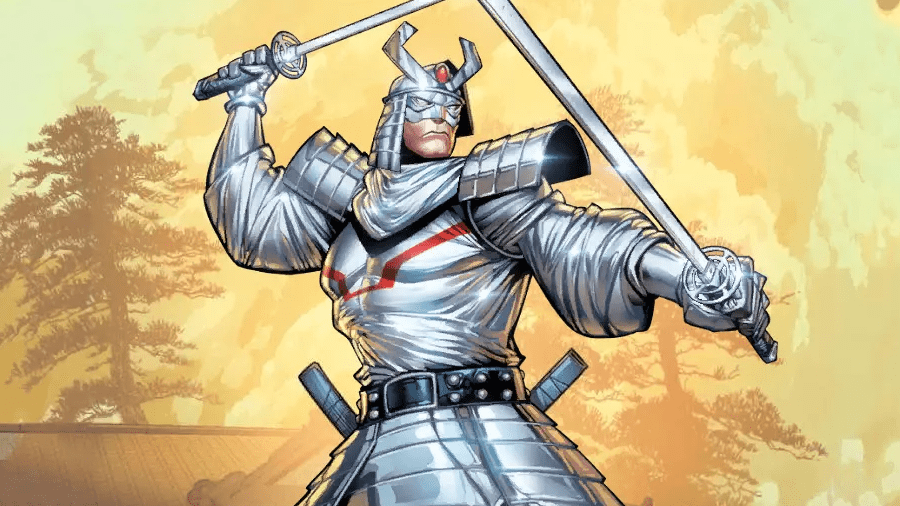
Samurai are traditionally depicted as brave warriors who value honour and duty. They were known to serve their masters loyally, to lay down their lives and sacrifice everything in the pursuit of bushido. Marvel Comics has done a great job of emphasising Japanese culture, with the Silver Samurai representing a traditional image. The identity has been used by two characters, though it has been linked with dishonour, due to the original bearer of the identity, Kenuichio Harada, starting off as a villain. Over time, Harada looked to regain his honour.
Let’s look into the history of the Silver Samurai to see how his identity contrasts with conventional Japanese imagery.
Continue reading “How Does The Silver Samurai Break The Mould Of The Traditional Samurai Image?”
Empathy and compassion are generally considered two of the most valuable personality traits to have. To be truly empathetic is to understand the needs of someone else and to be compassionate is to act in such a way that empathy is shown. When those traits are viewed through a Japanese lens, they take on more nuance.
The Japanese philosophy of omoiyari is the expression of empathy and compassion. And yet, there is much more than a surface level understanding of those words when implemented in Japan.
Continue reading “Understanding The Japanese Philosophy Of Omoiyari”

The Japanese dusk
burns like Tennessee sunsets
in this neon moon

Samurai are some of the most iconic figures in Japanese history. They’ve appeared in films,
games, books, and especially anime. But anime often bends the truth.
Real samurai lived by strict codes, fought deadly battles and shaped Japan’s future. Anime
samurai? They shoot lightning, ride motorcycles and sometimes travel through time. This article breaks down how anime reimagines real historical samurai. We’ll compare fact vs. fiction and see why the truth is sometimes even more interesting than the fantasy.
 yamatomagazine.home.blog