Japanese wellness and mental health concepts have a certain mythology about them, both inside and outside the country. Often, in the cases of concepts like ikigai and wabi-sabi, they are viewed as romantic and completely holistic. But we have to be careful with seeing only positive connotations and not viewing a concept in the context of its culture.
A bad example is when things like ikigai are appropriated, stripped of their original meaning and hailed as the next big wellness trend by productivity bros with a hard-on for selling business courses that at best only scratch the surface of what the concept was in the first place, and at worst, offer no value, provide inaccurate information and further damage the mental health of the people they’re selling to.
That’s not to say that these concepts aren’t helpful (when they are properly understood). And in the spirit of balance, this is the first of ten essays about Japanese mental health constructs.
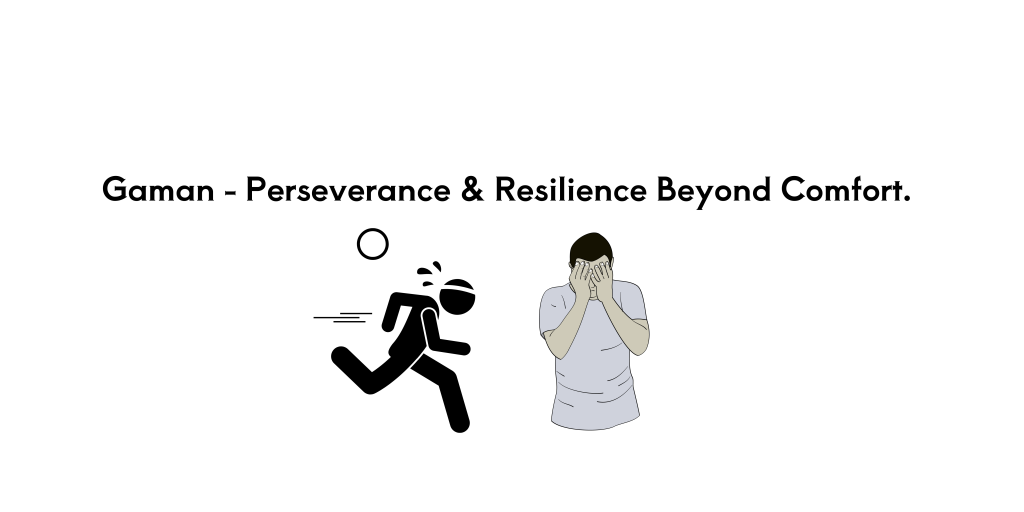
My aim isn’t to offer mental health ‘advice.’ It’s to show the different interpretations of how these constructs manifest in daily life through my own subjective experience. So, let’s explore the first concept – Gaman.
Continue reading “Toxicity In Context: The Double-Edged Sword Of Gaman”


 yamatomagazine.home.blog