
Life is colliding
in Kabukicho backstreets
sake, singing, silence.
Life is colliding
in Kabukicho backstreets
sake, singing, silence.

The art of kaizen
is continuous progress
people harmony

In the UK, sake is experiencing something of a revolution through the likes of places like Moto and Kanpai Brewery in the South of England and The Sparrows in the North. Distributors are also leading the charge for getting nihonshu into the hands of the masses, with London Sake being at the forefront of the conversation.
With an ever-growing and diverse portfolio of sake and shochu to choose from, London Sake is a brand that should be on the list of sake fans across the UK and beyond.
Continue reading “Why London Sake Is One Of The Best Places In The UK To Get Your Sake Fix”

I first encountered Morikuni Sake Brewery Co. Ltd (increasingly referred to as Shodoshima Shuzo) via their Hachi Hachi 88 junmai. Using local Oseto rice polished down to just 88%, the golden-coloured thick and nutty brew certainly grabbed my attention as one of the most unique junmai classification sake I’d experienced, and left me longing to try more of the small and very young (established 2005) company’s offerings.
I am delighted to say that tonight I achieved just that, finally getting my hands on each of the beautifully presented 300ml bottles of the Shodashima No Kagayaki range daiginjo and junmai daiginjo (stylised as ‘daiginjyo’ on the labels) via Ukiyo Republic’s online Japanese sake store.
Continue reading “Guest Post: Morikuni Shodashima No Kagayaki Daiginjo And Junmai Daiginjo Review”

Stoics and samurai
have a great deal in common
they die everyday
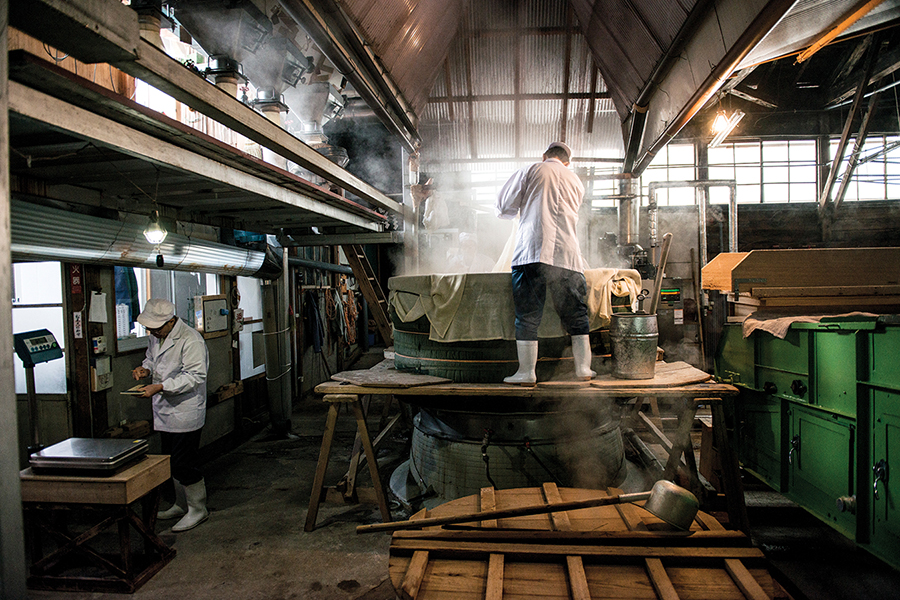
The life of a sake brewer
Is somewhere between science and poetry
Harnessing nature on the smallest of scales
Living, breathing, organisms, working, together,
Stop watches, singing, koji spores blooming,
See the moromi dance and bubble
Controlled and perfected over centuries
Terroir of the land
Terroir of the people
Filtered down into mythical proportions
Stories bottled and shipped
Spreading the message one sip at a time
Kanpai
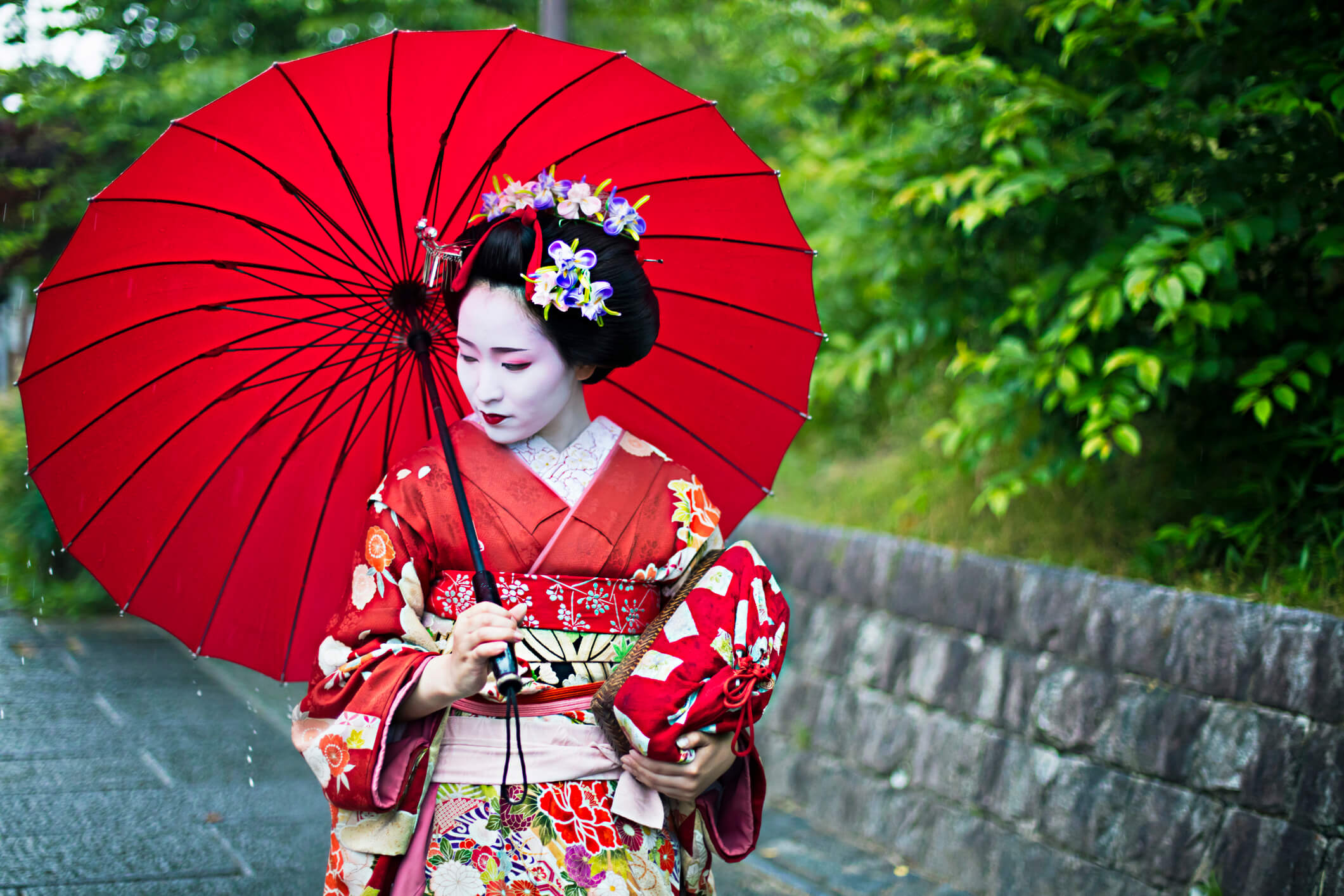
In Japanese culture, few images are more enduring than the geisha. A romantic symbol of classical Japan, geisha are traditionally shown as enigmatic, elegant, powerful, sexual and even lonely figures who have become a shadow of their former selves in the modern day.
Literature and popular culture has over romanticised geisha, though it’s also made it harder to determine what is fact and what is fiction. So, who are the geisha truly? What makes them stand apart in Japanese culture? What were their duties and how did they function in daily society?
Continue reading “Understanding The World Of The Geisha And Their Place In Japanese Culture”

The rise of sake continues to be felt in the West, with new breweries emerging every year like bubbles on the surface of the moromi that’s so crucial to nihonshu making. This renaissance is especially true in America and one of the newest American sake breweries on the block is Wetlands Sake.
Based in New Orleans, Wetlands Sake is all about combining southern hospitality with the craftsmanship of excellent sake brewing.

People feel connected to Japan in different ways and in the case of Scott Haas it started when he was thirteen years old. From there, his passion grew and he went on to write about his appreciation for Japanese culture for audiences across the world.
Having recently published a new book called Why Be Happy?, Scott has explored psychology and acceptance through the lens of Japanese culture. Learn more about the book, his backstory and what he’s got planned for the future.

When it comes to cocktails, Japan is an authority in pushing the boundaries of mixed drinks and coming up with new creations. It’s a drinks culture build on innovation, high-quality craftsmanship and storytelling.
The kind of flavours that can be achieved with Japanese ingredients is truly awe-inspiring and it’s fun to experiment with different combinations to see what happens. That’s why I wanted to create a Japanese cocktail that plays with different tastes, so here is a recipe for Okinawa Sunshine.
Continue reading “Okinawa Sunshine Cocktail Recipe: Celebrating The Stories And Spirits Of Okinawa”
 yamatomagazine.home.blog