
See frolicking deer
run through the heart of Nara
Bambi’s legacy

See frolicking deer
run through the heart of Nara
Bambi’s legacy

Japanese spirits are steadily increasing in popularity, with more consumers being willing to try new drinks and learn about the history of the beverages. Despite this, there is still a lack of awareness about what makes spirits like shochu and awamori unique, especially the latter.
Awamori is generally lumped into the shochu category, but it stands alone with its own special history and importance. With that in mind, here are six amazing facts about awamori to demystify this ancient spirit.

In recent years, the spirits category has experienced great change, with vodka, whisky and gin having their time in the sun. In an age where consumers are becoming more open to trying new experiences, there’s an exciting opportunity for new spirits to move into the limelight and Japanese shochu is at the forefront of the conversation.
Japan’s national spirit is made from a wide range of starch-based starters that are combined with koji and water to produce distilled alcohol. Let’s take a look at the five most common styles of honkaku {single-distilled) shochu.

When it comes to selling sake in the West, there’s a lot of debate about how best to present it to an audience who’re unfamiliar with it. From my own personal experience, I initially found it hard to categorise what sake is. The kanji symbols were intimidating, the brewing process was a mystery and the comparisons to wine left me feeling really confused!
To help make sake easier to understand, certain businesses have taken to working with breweries in Japan to rebrand their drinks and make them more accessible to a western audience. This phenomenon has become known as ‘white-labelled’ sake, in which a business will purchase the sake from a brewery and change it in some way.
What’s important to consider is the method in which this is carried out. Transparent brands will clearly indicate who the producer is, while others may not be so forthcoming. It’s a tricky landscape to navigate.
Let’s take a look at a few of the brands who’re repurposing nihonshu and putting the breweries they work with at the heart of the conversation.
Continue reading “Crossovers And Collaborations: Rebranding Sake For A Western Audience”
Can I?
I ask myself this everyday
Can I?
Be someone proud
Can I?
Be someone who goes to Japan
A dream within a dream
Living outside
An existential crisis
Can I?
Live with being me
A contradiction
Up and down
Travel or no
Paralysed
Frozen inbetween
Can I?
Be a father
A man to lead generations
Children who look up
To the guy who was meant to lead the way
I don’t know
I’m drowning
In indecision
I’m shattered
Pick myself back together
Can I?
Survive the pandemic
Living alone
It’s scary
I feel the weight
Unknown shadows
On my shoulders
Can I?
Be the man
Inside my mind
Samurai
Connection to culture
Can I?
Keep moving
Uncertainty
I cry
Can I?
Breathe
I’m suffocating
Can I?
Live with myself
Can I?
Not be drunk
Making excuses
Can I?
Listen to myself
Find the answer
Can I?
Bear the pain
Move beyond suicide
Can I?
Explore Hokkaido
Eat ramen in an izakaya
Drink sake in a brewery
Be the gaijn in Roppongi
Dance awkwardly to K-pop
Dive into Kyushu
Drinking shochu
Can I?
Lie on a beach in Okinawa
Speak of the habushu myth
In bars with old men
Still trying to get it up
Can I?
Sip awamori
See kame
Melded before me
Can I?
Accept the things
That can’t be controlled
I don’t know
I’m trying
Forgive me
I will
One day
I see the dawn
Rising
Can I?
I can
Completed
A dream
Reality
The life I’m living
At last
I’m here
Peace
I’m living
A feeling
Without fear
Amazing
Clear eyes
Blue skies
The future is bright

Sake brewing requires a tremendous amount of precision and dedication to craft a high-quality product. Breweries such as Gozenshu have built their reputation on creating sake that is as delicious as it is creative. The brand has no problem flexing its creative muscles and that’s exactly what Gozenshu did with the 1859 Prototype.
Continue reading “Gozenshu 1859 Prototype Review: Sake With As Many Names As It Has Flavours”

The world of sake is one of constant experimentation and versatility. Breweries with centuries of experience create products that demonstrate their sake making skills, and one brewery that’s particularly innovative in Hayashi Honten in Gifu Prefecture.
This is evident in the brewery’s Golden Amber junmai koshu, a complex drink full of wonderful contradictions.
Continue reading “Hayashi Honten Golden Amber Junmai Koshu Review: Bizarre And Beautiful”
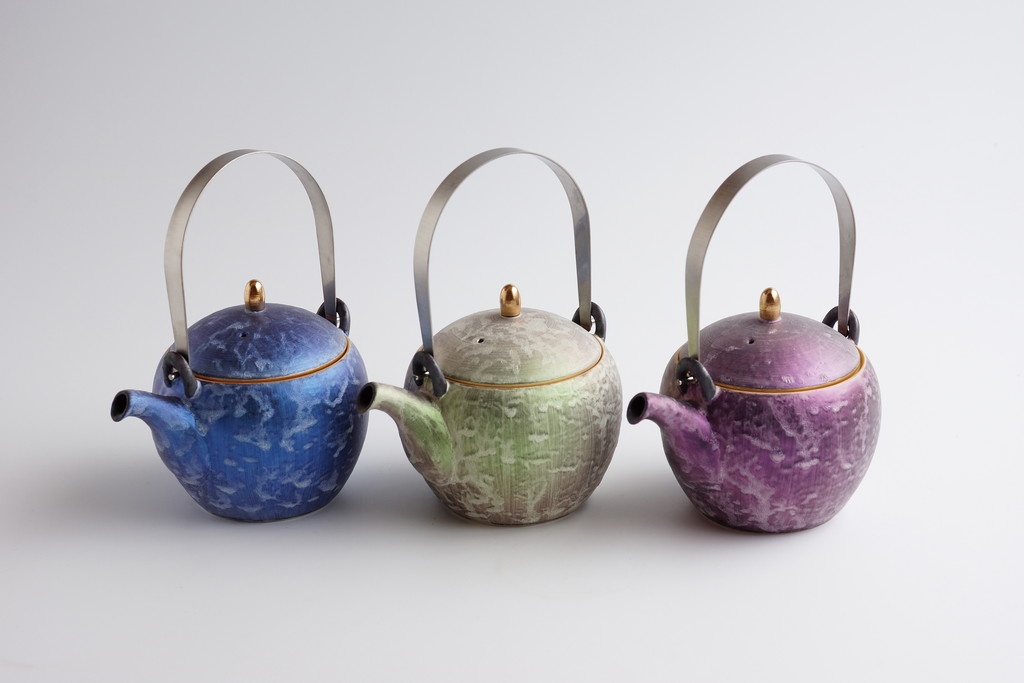
Beautiful craftsmanship goes hand in hand with Japanese culture. For centuries, artisans have created high-quality goods made from natural materials that tell the story of the area they come from. From products as simplistic as a bowl, to items that are detailed as a ceramic pot, Japanese craftsmanship infuses a level of sophistication that can’t be found anywhere else in the world.
There are plenty of great gifts out there for people who appreciate the beauty of Japanese craftsmanship and here are ten ideas.
Continue reading “10 Gift Ideas For Lovers Of Japanese Craftsmanship”

I’m walking the streets
Caught in a pagoda dream
Don’t sneak up on me

Lockdown may have stopped hospitality venues from operating normally, but the resiliency shown across the sector should be applauded. Businesses have adapted through embracing eCommerce, offering takeaways and launching virtual events to strengthen their connection with customers.
It’s during this time that I toured my first sake brewery and was able to do so from the comfort of my own home. At a virtual tour of Kanpai Brewery in London, I was able to peek behind the curtain and see how nihonshu is produced and the passion of the people involved.
Continue reading “Touring Kanpai Sake Brewery: A Story Of Innovation, Passion And Resilience”
 yamatomagazine.home.blog