
Two-layer colour
nijubori folk warrior
irezumi heart

Two-layer colour
nijubori folk warrior
irezumi heart

Immersing yourself in the world of sake is an exciting experience that can quickly turn into a life-long pursuit of knowledge. Just when you think you’ve mastered something, there’s a new kind of nihonshu to try or a different kind of rice to discover. Falling down the sake rabbit hole is rewarding, but it’s easy to feel overwhelmed with the terminology.
To help, Yamato Magazine has created a handy glossary of useful sake terms to remember.

Purveyor of the seasons
Harness the power of the shukanki
Nihonshu hot water bath
Precision in every serving
A true artform

Golden rice harvest
Inari prosperity
kitsune bringing gifts
The Kokoro Files shares the stories of people and their connection to Japan, and this edition is particularly exciting for me because I had the opportunity to chat with one of the world’s leading authorities on shochu, Chris Pellegrini. A Japanese spirit evangelist, Chris is passionate about spreading the gospel of shochu and awamori. He definitely made a convert out of me!
From talking shochu 101, to clearing up the differences between shochu and Korean soju, we cover a lot of ground in this interview. Read on to discover the exciting world of Japan’s indigenous spirit. Who knows? By the time you’ve finished reading you might be ready to jump down the rabbit hole.

Women Warriors puts the focus on inspirational and legendary Japanese women who’ve left their mark on history. The original female warriors of Japanese culture were the onna-bugeisha and their more secretive cousins, the kunoichi. The latter were female ninjas who earned a fearsome reputation as spies and assassins, striking from the shadows.
All kunoichi traced their history back to the story of Mochizuki Chiyome. The founder of the order, Chiyome is a figure shrouded in mystery and legend.

Since being bitten by the shochu bug, I’ve been on a mission to try as many different types of Japan’s national spirit as possible. From sweet potato to barley, the base ingredients of shochu are as diverse as the breweries that produce such a fine drink.
Brown sugar is another popular ingredient and I recently got my hands on a shochu that falls into this category called Tatsugo gold. Continue reading “Tatsugo Gold Shochu Review: Silky, Smooth And Mellow”

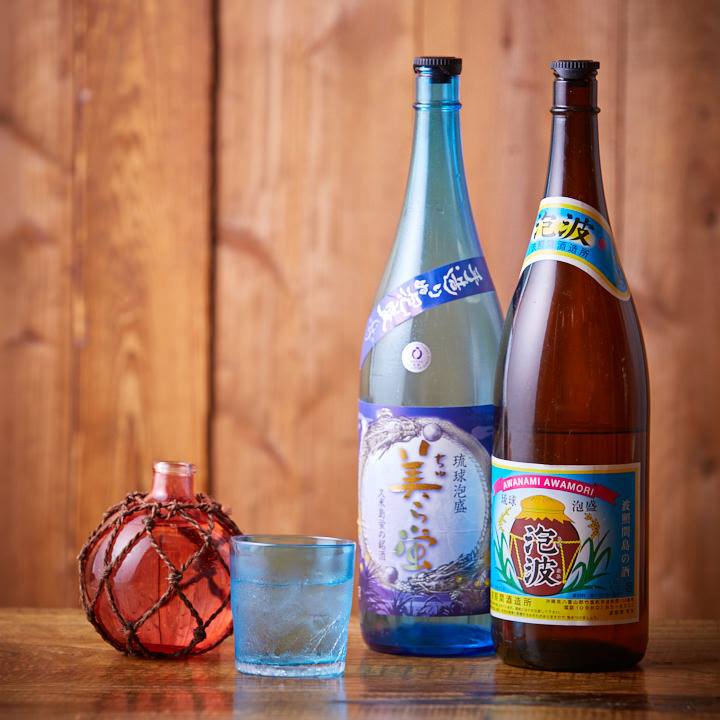
Experiencing a new culture through the lens of food and drink is a great way to connect to a different part of the world without having to hop on a plane. If you ever plan to travel to Okinawa, it’s worth knowing about the island’s indigenous spirit awamori and its importance to local history.
But what exactly is awamori and how does it differ from other Japanese drinks like nihonshu and shochu? Sake On Air recently released an awamori episode that reveals why it’s worth trying this little known spirit. Continue reading “Embrace The Awesomeness Of Awamori (Sake On Air Review)”

Japan produces some of the most unique spirits in the world, namely shochu and awamori. The production of western spirits such as gin has increased rapidly and it’s also worth keeping an eye out for Japanese rum.
I recently tried my first Japanese rum in the form of Santa Maria gold and found it to be a revelation. Soft and delicate, the Santa Maria gold is unlike any kind of rum I’ve tasted before. Continue reading “A Rum Revelation: Santa Maria Gold Is A Must-Try Japanese Rum”

Every morning Jiro wakes at 4AM
And heads to his restaurant in Ginza
His kitchen is a blank canvas
For which he paints his culinary art
Sliced sashimi bursting with sunrise colours
Dipped in the sea green of maki
Temaki rolled with precision
Splashes of nigiri inked into the easel
Completing the masterpiece
For the daily rush hour
Served with pride

 yamatomagazine.home.blog